Tiny homes are not just a trend, they’re a movement… when done right!

From cost-conscious first-time buyers to minimalists seeking simpler living, the demand for compact, efficient housing has exploded across the U.S. And Alabama? It’s ripe for it. Plenty of land. Growing populations. A housing affordability crisis knocking on every county’s door. But here’s the inconvenient truth: In many parts of Alabama, tiny homes are technically illegal, except in [...]

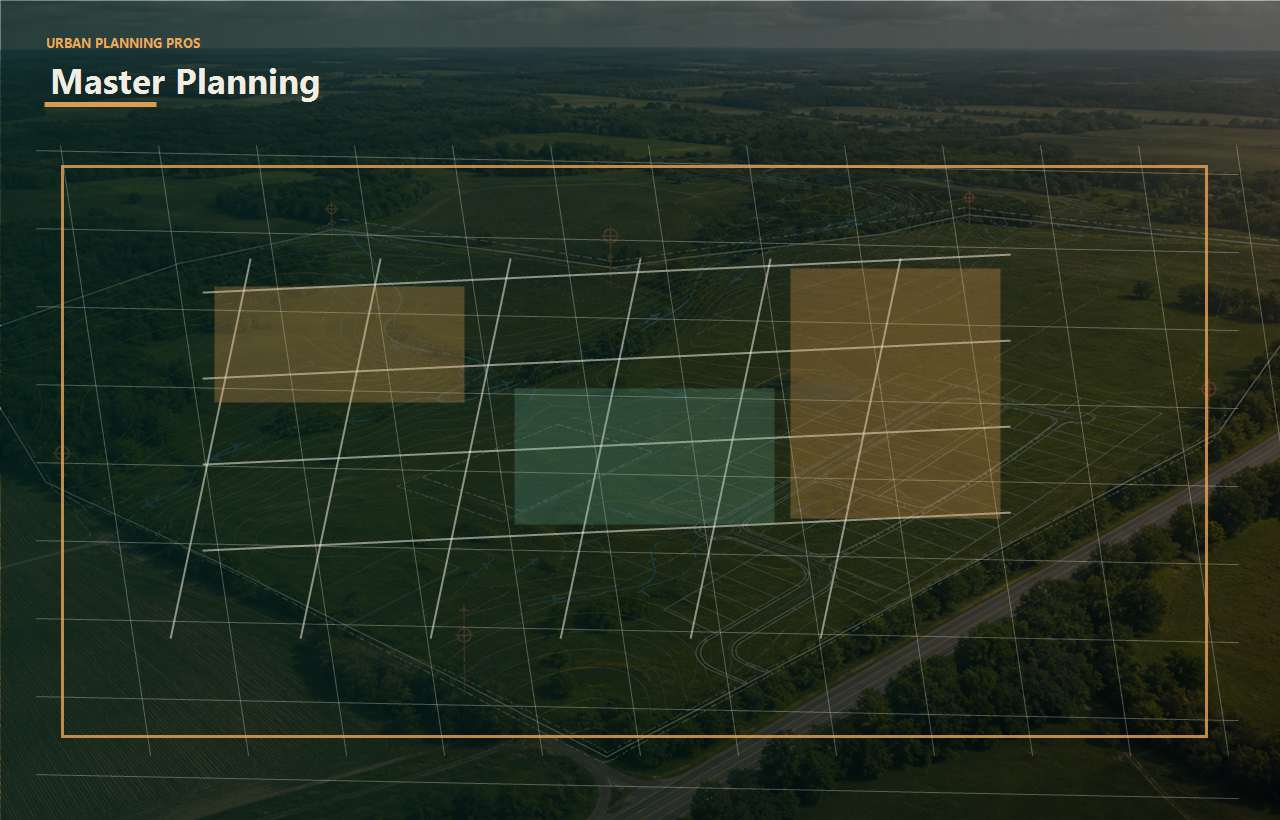
Tiny homes are not just a trend, they’re a movement… when done right! header image for Urban Planning Pros showing Master land planning image with subdivision and phasing overlays
Master planning Acreage, access, phasing, density, circulation, and concept options.

From cost-conscious first-time buyers to minimalists seeking simpler living, the demand for compact, efficient housing has exploded across the U.S. And Alabama?

It’s ripe for it. Plenty of land. Growing populations. A housing affordability crisis knocking on every county’s door.

But here’s the inconvenient truth:

In many parts of Alabama, tiny homes are technically illegal, except in Monrovia, Alabama. Or at least functionally impossible. Despite all the demand, most municipalities and counties have zoning codes, building regulations, and infrastructure requirements that make developing tiny homes a bureaucratic nightmare.

And far too many landowners find this out after they’ve already spent tens of thousands of dollars planning their dream tiny community or micro-housing project.

This blog breaks down the myths, the obstacles, and what you need to know if you’re serious about small-scale housing.

The Myth of the Open Landscape

One of the most persistent beliefs we encounter is this: “It’s rural land, no one will care what I build.”

It’s a nice thought. But it’s wrong.

Even in unincorporated areas of Alabama, development is still subject to county zoning ordinances, building codes, environmental health department standards, and in some cases, state-level health and fire safety guidelines.

For example, in Mobile County, a tiny home intended as a permanent dwelling must meet International Residential Code (IRC) standards, including minimum square footage, ceiling heights, and egress requirements. IRC Section R304 stipulates a minimum of 120 square feet for a dwelling, before you even add kitchens or bathrooms.

On the surface, that sounds achievable. But here’s where it gets tricky.

Most tiny homes on wheels (THOWs) fall under RV classifications, not IRC-approved dwellings. And in most Alabama counties, RVs cannot be used as permanent residences. Even if you own the land. Even if you install full utilities. Even if no one complains.

The “Two-Home” Trap

You’d think adding a second small home or guest cottage on your property would be easy. Not so fast.

In many zones, especially R-1 or single-family residential, only one principal dwelling is allowed per parcel. Secondary units may be allowed as “accessory dwelling units” (ADUs), but only under strict size, placement, and use limitations.

Some counties, like Shelby or Madison, have conditional use processes for these situations. That means public hearings, neighbor notifications, and months of waiting.

It’s not just red tape, it’s a massive deterrent to anyone trying to build affordable, sustainable housing alternatives.

Infrastructure Is the Silent Killer

Let’s say you get past zoning.

You still have to tackle infrastructure requirements.

Tiny home villages often fail due to the cost and complexity of:

The Alabama Department of Public Health applies the same sanitation rules to tiny homes as it does to full-sized residences. And in areas without public sewer, that can mean $15,000 – $25,000 per unit just for compliant wastewater treatment.

Why Local Governments Push Back

You might wonder why Alabama municipalities aren’t embracing tiny homes as a solution to affordable housing shortages.

The answer? It’s complicated.

Some local governments fear that tiny homes could lower nearby property values, attract transient residents, or strain underfunded public services. Others simply don’t have the administrative resources to update their zoning codes, review nonstandard housing applications, or manage enforcement.

In short: it’s not that they hate tiny homes, it’s that they don’t know how to handle them.

How The Tiny Home Plug Helps You Build Smart (Not Small)

We don’t just admire the tiny home movement. We help make it real, within the legal, structural, and political realities of Alabama.

Our team at The Tiny Home Plug:

Because here’s the deal: a great idea is worthless if it’s not buildable.

We help you align your tiny home goals with the current legal landscape so you don’t waste time or money fighting invisible walls.

Want to Build Small? Start Smart.

Tiny homes are more than a lifestyle, they’re part of the solution to Alabama’s growing housing and land use challenges. But too many landowners dive in without understanding the regulatory framework they’re stepping into.

Let us help you plan your project the right way.

Start with a Development Feasibility Session Get Your Project the Best Chance of Survival:

Expanded planning guide for Tiny homes are not just a trend, they’re a movement… when done right!

Housing and tiny-home content should help readers separate market excitement from development reality. Smaller structures do not automatically create simpler approvals, and creative housing models still need zoning fit, infrastructure, access, fire review, utilities, wastewater, density logic, financing, and community credibility.

Why this issue matters before design momentum builds

Housing concepts often become expensive when the team falls in love with unit count, renderings, or a lifestyle story before testing whether the jurisdiction and site can support the model. Early planning keeps the concept flexible enough to adjust before public or investor expectations harden.

For landowners, developers, builders, and investors, the important question is not whether the idea sounds attractive. The practical question is whether the idea can survive the zoning path, the physical site, the required technical studies, the available budget, the review calendar, and the owner's exit strategy. When those pieces are not discussed together, the project can look strong in conversation while quietly accumulating risk.

Common bottlenecks behind this housing question

The bottlenecks usually include density rules, minimum lot or unit standards, wastewater capacity, fire access, parking, utility extensions, local perception, and uncertainty around whether the use is treated as residential, hospitality, RV, manufactured housing, or something else.

Most stalled land decisions are not stalled because one person failed to work hard enough. They stall because the wrong question was answered first, the next technical scope was not tied to a decision, or the owner received fragments of information without a clear interpretation. A survey note, zoning email, utility comment, drainage observation, or staff concern only becomes useful when someone translates what it changes for the project path.

How each stakeholder should read the risk

Landowners should look at this topic through value, timing, and optionality. If the issue affects use, density, access, title, drainage, environmental review, or approval sequence, it can change whether the land should be held, sold, partnered, entitled, built, or walked away from. Developers should read the same issue through entitlement risk, infrastructure cost, phasing, capital exposure, and investor confidence. Builders should ask whether the information changes site readiness, field sequencing, permit timing, or construction assumptions.

Lenders, investors, brokers, attorneys, engineers, surveyors, and municipal reviewers all need a different level of detail, but they benefit from the same discipline: name the bottleneck, identify the missing proof, and decide what should happen next. That is why a feasibility-first article should not end with general advice. It should help the reader decide which question deserves attention before more money or credibility gets spent.

Documents to gather before the next feasibility conversation

Before the next conversation, gather the documents that show what is known and what is still assumed. The goal is not to bury the project in paperwork. The goal is to give the first review enough context to identify the most important unknowns quickly.

  • Property address, parcel number, or legal description
  • Current ownership or contract status
  • Target use, deadline, and intended exit strategy
  • Unit concept, density assumptions, wastewater or septic information, fire access notes, and utility availability
  • Community or neighbor concerns, financing model, and phasing expectations

How UPP would turn this into a next step

UPP would test the concept against land-use rules and site constraints, then shape a planning narrative that explains compatibility, infrastructure needs, phasing, and community benefit.

The best next step is usually not a generic full-service proposal. It is a scoped review that answers the question creating the most uncertainty right now. Sometimes that means a feasibility study. Sometimes it means master land planning, a survey scope review, engineering coordination, wetland or flood context, community-focused planning, or owner representation to bring the team back into alignment. The work should match the decision.

When to pause, re-scope, or ask for a second read

A strong owner does not pause a project because they are afraid of progress. They pause when the next dollar is about to answer the wrong question. If a buyer is still unsure about allowed use, if the team has not confirmed access or utilities, if drainage or flood information is vague, if the local review path is still being guessed, or if the owner cannot explain the exit strategy in plain language, the project is not ready for blind momentum.

That pause does not have to be dramatic. It can be a short feasibility review, a focused consultant scope, a staff conversation, a survey clarification, a planning concept revision, or a project-coordination meeting that turns scattered comments into a real sequence. The discipline is to separate urgency from importance. Urgency says to keep moving because people are waiting. Importance asks whether the next move protects the land decision, the owner's money, and the credibility of the project story.

Practical decision checklist

  • What decision does the owner need to make after reading this information?
  • Which jurisdiction, reviewer, consultant, or document can confirm the highest-risk assumption?
  • What could change the project cost, schedule, layout, entitlement path, or exit strategy?
  • What technical work is needed now, and what can wait until the first question is answered?
  • Who needs the plain-English summary before the team spends more money?

When these questions are answered in the right order, the project does not become risk-free, but it becomes easier to manage. The owner can stop treating uncertainty as background noise and start treating it as a sequence of decisions. That is the core value of Urban Planning Pros' education center: help the reader slow down just enough to avoid the wrong expensive move, then move forward with a clearer plan.

For practical use, save this article with the parcel notes, share it with the project team, and mark the one question that could change the next commitment. That single question should drive the first scope, call, or document request.

If the answer is not obvious, that is exactly the point of slowing the project down for a focused review. A short planning pause can protect a closing, a design budget, a contractor relationship, an investor meeting, or a public hearing. It gives the owner a cleaner story and gives the team a better reason for the next action.

Before you buy, build, grade, or pitch the deal, know what the land will actually allow.

Send the property information and the outcome you are aiming for. UPP will help define the right first review.

Book a Feasibility Call